Why the World is Falling in Love with Handmade Again: The Rise of Kashmir's GI-Tagged Treasures
In an age of fast fashion and machine-made products, Kashmir’s centuries-old crafts are becoming symbols of authenticity, sustainability, and luxury.
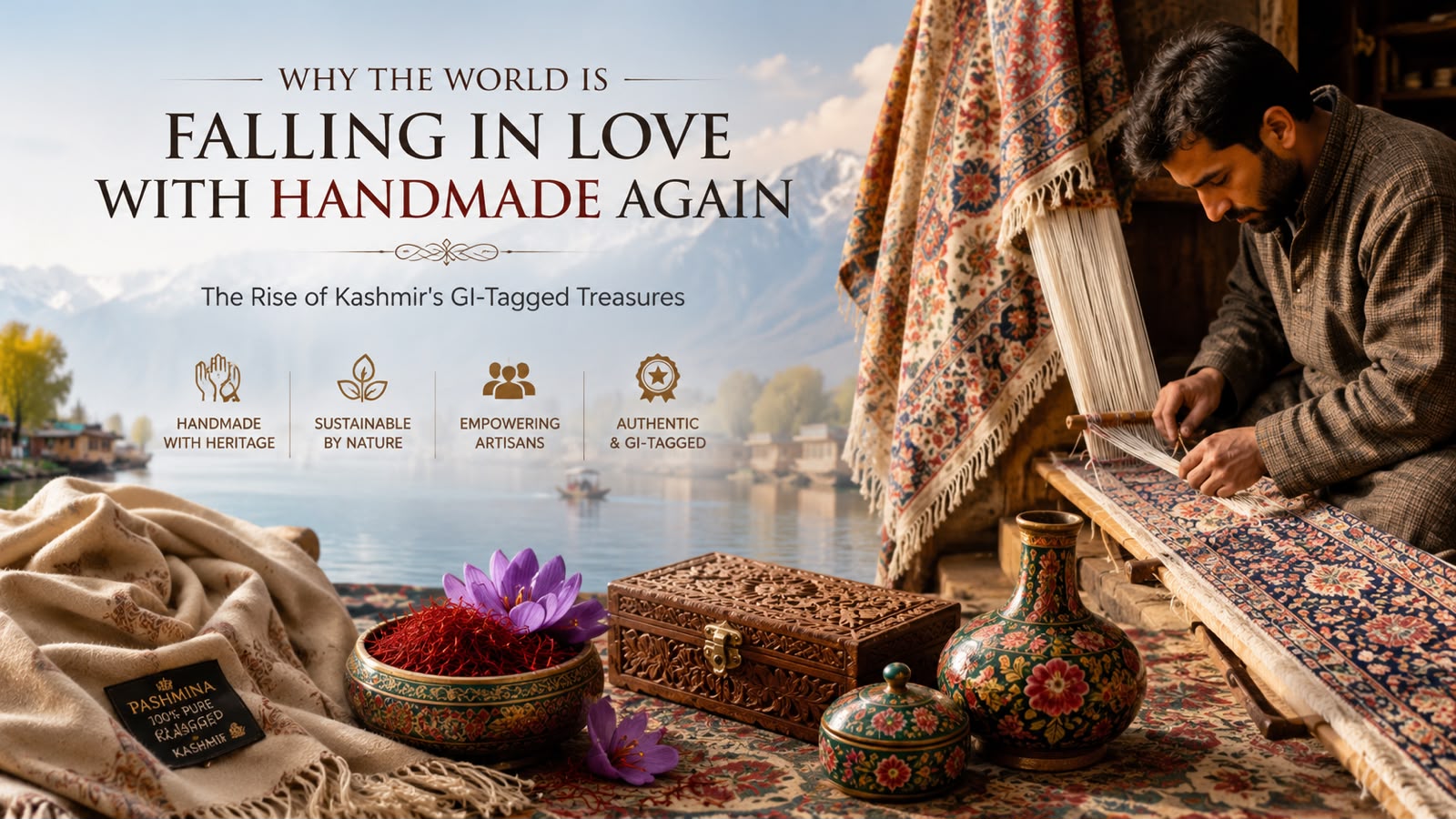
The Return of Slow Luxury
Around the world, people are moving away from mass-produced goods and searching for products with meaning, craftsmanship, and a human story. This movement, often called “slow luxury,” is bringing traditional handmade crafts back into the spotlight.
From handwoven Pashmina shawls to intricate papier-mâché art, Kashmir’s GI-tagged treasures perfectly represent this new era of conscious living.
Why Handmade Matters More Than Ever
Every handmade piece carries something machines cannot create—time, skill, and emotion.
A genuine Kashmiri Pashmina shawl may take weeks or even months to complete. Every thread reflects generations of knowledge passed from artisan to artisan.
In a world filled with identical products, people are now choosing items that feel personal and authentic.
Kashmir’s GI-Tagged Crafts: More Than Just Products
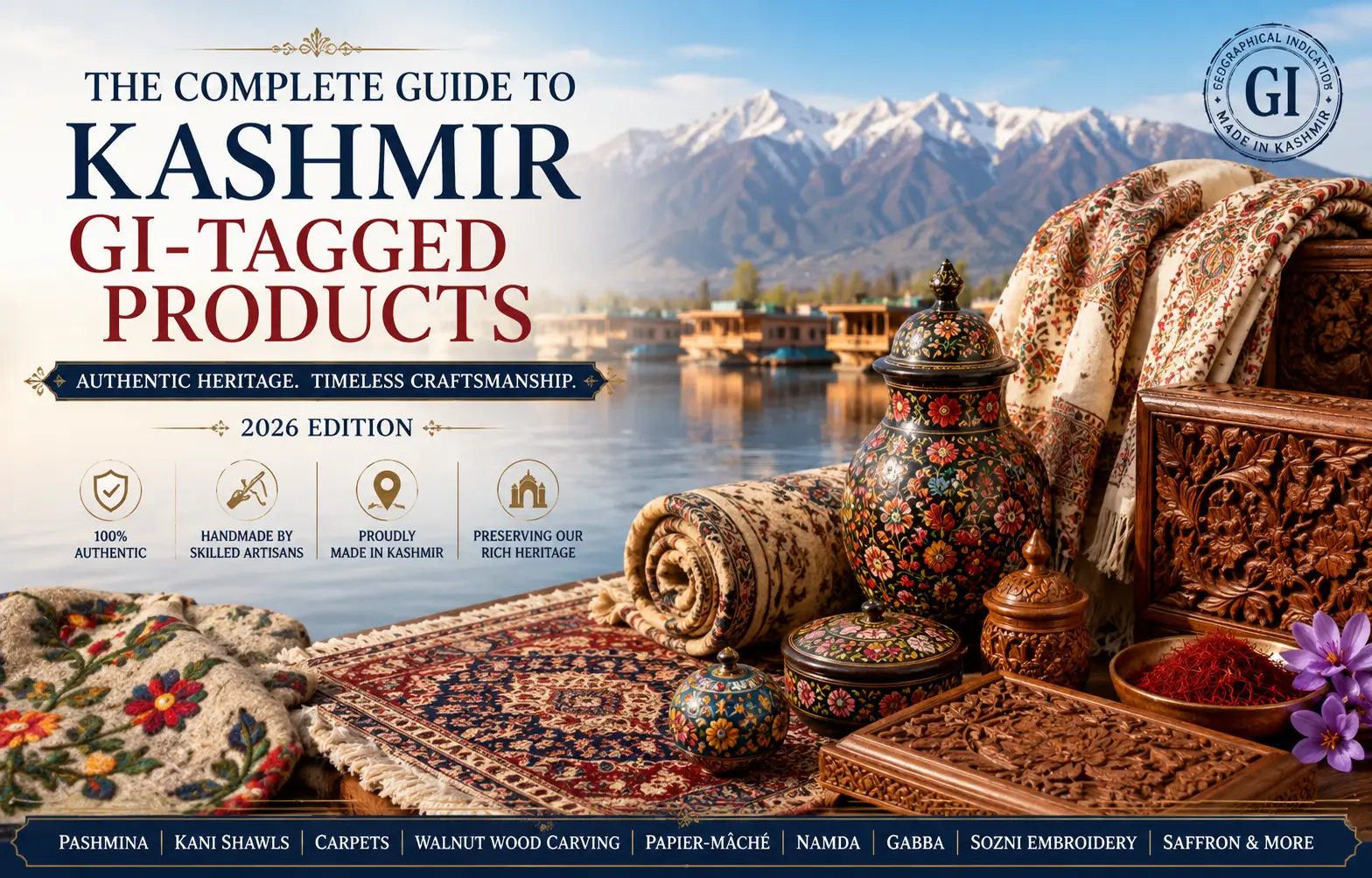
The Geographical Indication (GI) tag protects the identity and authenticity of Kashmir’s traditional crafts, including:
- Pashmina Shawls
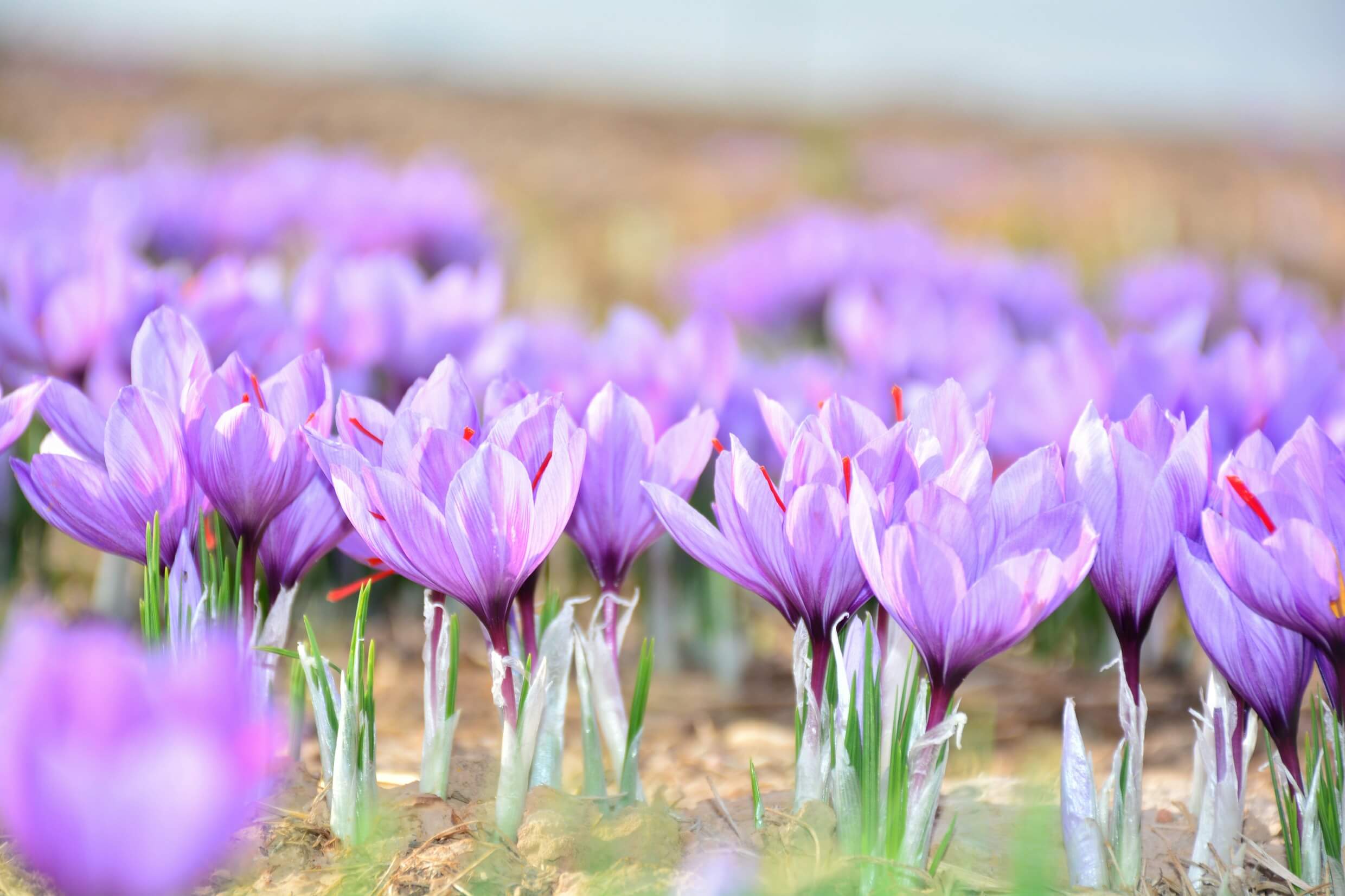
- Kashmiri Saffron
- Kani Shawls
- Hand-knotted Carpets
- Papier-Mâché Art
- Walnut Wood Carving
- Namda and Gabba Rugs
These are not merely products; they are living pieces of Kashmir’s cultural heritage.
The Global Shift Toward Sustainable Fashion
Consumers today want to know:
- Who made this product?
- Where did it come from?
- Is it sustainable?
- Does it support local communities?
Kashmir’s handmade crafts answer all of these questions.
By choosing authentic handmade products, buyers are also supporting artisans and helping preserve centuries-old traditions.
The Future Belongs to Authenticity
As artificial intelligence and mass production continue to grow, the value of human craftsmanship is increasing.
The world is rediscovering what Kashmir has always known: true luxury is handmade, meaningful, and timeless.
Every handcrafted piece from Kashmir carries a story—of mountains, heritage, patience, and human hands.
In the age of fast consumption, Kashmir’s GI-tagged treasures remind us that the most beautiful things in life cannot be rushed.
Because heritage is not just preserved in museums—it lives in the hands of artisans.
About the writer
Kashmir Artisan Journal
Kashmir Artisan Journal Editorial Team is a small editorial collective dedicated to documenting the living traditions of Kashmir—its artisans, crafts, landscapes, and the stories that survive through handmade work. Rather than treating craftsmanship as a product alone, the team approaches every article as a record of memory, skill, and cultural continuity. Their work is built through conversations with shawl weavers, wood carvers, papier-mâché artists, saffron growers, bat makers, and families who have practiced the same craft across generations.
The journal believes that the true value of a Kashmiri craft lies not only in its beauty, but in the hands that shape it, the villages that sustain it, and the history carried quietly through everyday labor. Each feature, artisan profile, and heritage essay is researched with care and written with the intention of preserving voices that are often overlooked in mainstream narratives.
By combining field-based storytelling, historical context, and contemporary documentation, the editorial team seeks to create an enduring archive of Kashmir’s artistic heritage—one that can be read by future generations as well as by readers discovering the Valley for the first time.
Website & Social Media Manager — RESHI RAYEES
The journal’s digital presence is managed by RESHI RAYEES, who oversees the website, editorial publishing, visual presentation, and social media strategy. His work focuses on bringing Kashmir’s artisan traditions into the digital world without losing the authenticity, dignity, and human stories behind each craft. Through careful curation and digital storytelling, he helps connect local makers with audiences across India and around the world.