تخطّ إلى المحتوى الرئيسي
Kashmir GI Mart
GI · GI-51 · 2008

Kani Shawl

The Timeless Heritage of Kashmir's Woven Masterpiece

Kani Shawl

Kani Shawl GI Story A Legacy Woven into Every Thread

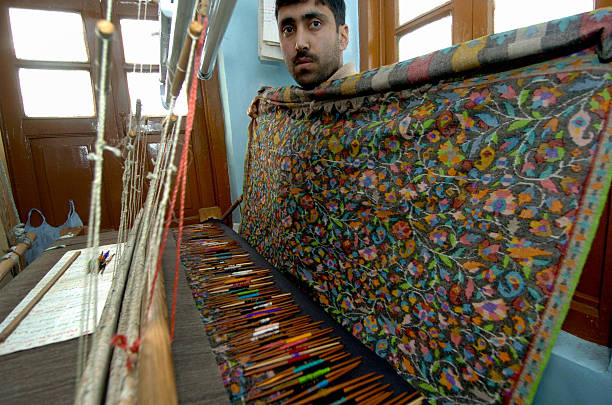
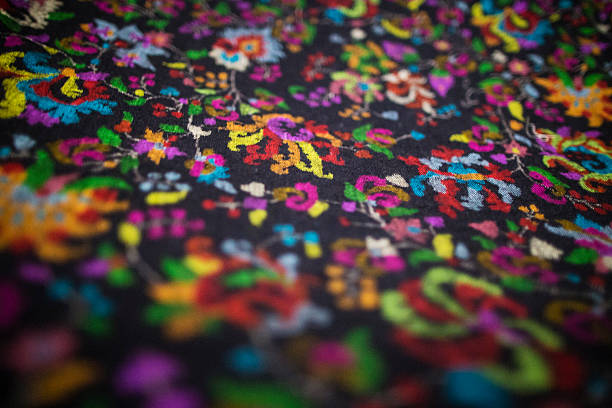
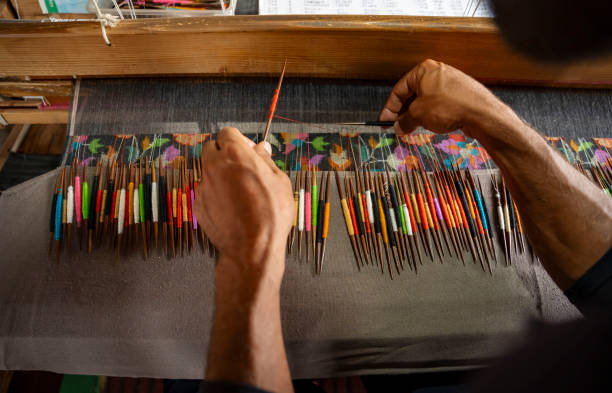
The Kani Shawl is one of Kashmir's most treasured textile traditions, celebrated for its intricate craftsmanship and centuries-old weaving techniques. Unlike embroidered shawls, every motif in a Kani Shawl is woven directly into the fabric using small wooden bobbins called kanis. The result is an exceptionally detailed textile that reflects the artistic excellence of Kashmiri artisans.

The craft has been preserved through generations of skilled weavers, making every authentic Kani Shawl a wearable work of art that embodies Kashmir's rich cultural heritage.

What is the GI Tag?

The Geographical Indication (GI) tag is a legal certification that protects products originating from a specific geographical region and possessing qualities, reputation, or characteristics unique to that location.

Authentic Kashmir Kani Shawls are protected under the Geographical Indication (GI) registration, ensuring that only genuine shawls produced in the Kashmir region using traditional techniques can carry the prestigious name. This certification safeguards the heritage of Kashmiri artisans while assuring buyers of authenticity, craftsmanship, and regional origin.

#KaniShawl #KashmirKaniShawl #GICertifiedKaniShawl #AuthenticKaniShawl #HandwovenPashminaShawl #KashmirHandloom #TraditionalKaniWeaving #LuxuryPashminaShawl #KashmirArtisanShawl #GeographicalIndicationKashmir
The process

How it’s made

Manufacturing Process

  1. Selecting Premium Pashmina

The journey begins with the finest Pashmina wool, renowned for its extraordinary softness, warmth, and lightweight feel. The fibres are carefully cleaned, sorted, and hand-spun into delicate yarn.

  1. Dyeing the Yarn

Natural or high-quality dyes are used to achieve vibrant, lasting colours while maintaining the softness of the Pashmina fibres.

  1. Designing the Pattern

Master designers prepare detailed Talim patterns—a unique coded language that translates artistic motifs into weaving instructions.

  1. Reading the Talim

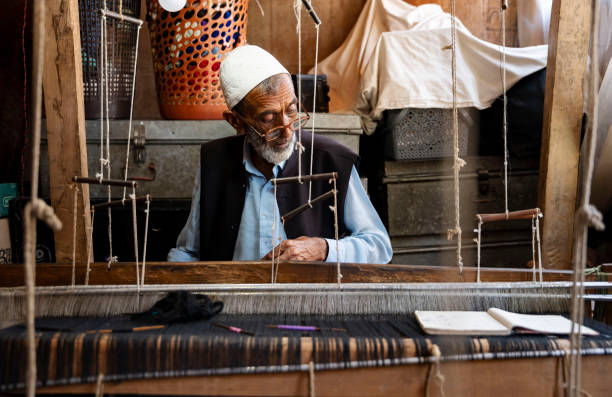
Expert weavers interpret the Talim line by line. This specialised knowledge is traditionally passed from one generation to the next.

  1. Hand Weaving with Kanis

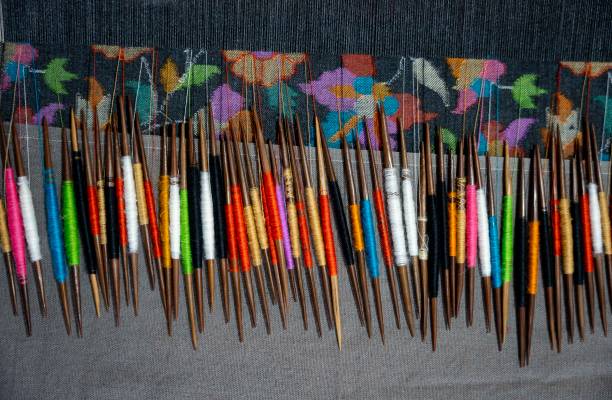
Using dozens or sometimes hundreds of small wooden bobbins known as kanis, artisans weave each coloured thread individually into the fabric. Every motif is created directly on the loom rather than embroidered afterwards.

  1. Finishing

After weaving is complete, the shawl undergoes careful washing, trimming, and finishing to enhance its softness, drape, and overall appearance.

Depending on the complexity of the design, a single authentic Kani Shawl may require several months to over a year of meticulous craftsmanship.

Gallery

Kani Shawl — image 1
Wooden Bobbins(kani's)
Kani Shawl — image 2
Kani Shawl — image 3
Kani Shawl — image 4

History & context

Where this craft comes from

History

The history of the Kani Shawl dates back several centuries and flourished during the reign of the Mughal emperors. These luxurious shawls became symbols of refinement and prestige, admired by royalty, nobles, and distinguished patrons across Asia and Europe.

During the eighteenth and nineteenth centuries, Kashmiri Kani Shawls gained international acclaim and were highly sought after by aristocrats and fashion houses around the world. Their elaborate floral and paisley designs inspired textile traditions far beyond Kashmir.

Despite changing fashions and industrial production, the traditional Kani weaving technique has survived through the dedication of Kashmiri artisan families who continue to preserve this remarkable heritage.

The Kani Shawl represents far more than luxury clothing—it is a living expression of Kashmir's artistic identity.

Every shawl reflects months of patient craftsmanship, deep cultural knowledge, and generations of inherited skill. Traditional motifs often draw inspiration from Kashmir's gardens, chinar leaves, almond blossoms, vines, cypress trees, and the iconic paisley (buta), each carrying symbolic meanings connected to nature, prosperity, and beauty.

Today, an authentic GI-certified Kani Shawl is recognised worldwide as one of the finest examples of handwoven textile artistry, preserving both the cultural legacy and the livelihoods of Kashmir's master weavers.

Frequently asked

About Kani Shawl

Why Choose an Authentic GI-Certified Kani Shawl?

Handwoven by skilled Kashmiri artisans. Protected under the Geographical Indication (GI) of Kashmir. Crafted using traditional Kani weaving techniques. Made from premium Pashmina. Every shawl is unique and requires months of meticulous work. A timeless heirloom that preserves Kashmir's cultural heritage.

What makes a Kani Shawl different from other Pashmina shawls?

A Kani Shawl is handwoven using small wooden bobbins called kanis, with every motif woven directly into the fabric rather than embroidered. This intricate weaving technique creates highly detailed patterns and can take several months to complete, making each shawl a true masterpiece of Kashmiri craftsmanship.

What does the GI tag mean for a Kani Shawl?

The Geographical Indication (GI) tag certifies that the Kani Shawl originates from Kashmir and is produced using traditional weaving techniques by skilled local artisans. It helps protect the authenticity of the craft, supports artisan livelihoods, and assures customers they are purchasing a genuine Kashmiri product.

How can I identify an authentic Kani Shawl?

An authentic Kani Shawl is handwoven with intricate woven patterns—not printed or machine-made—and is crafted by skilled Kashmiri artisans using traditional Talim weaving techniques. Purchasing from trusted sellers who provide GI certification or authenticity documentation is the best way to ensure you are buying a genuine Kani Shawl.

GI registered in 2008 (#GI-51).

Geographical Indications Registry, Government of India

Makers

Artisans working in this tradition