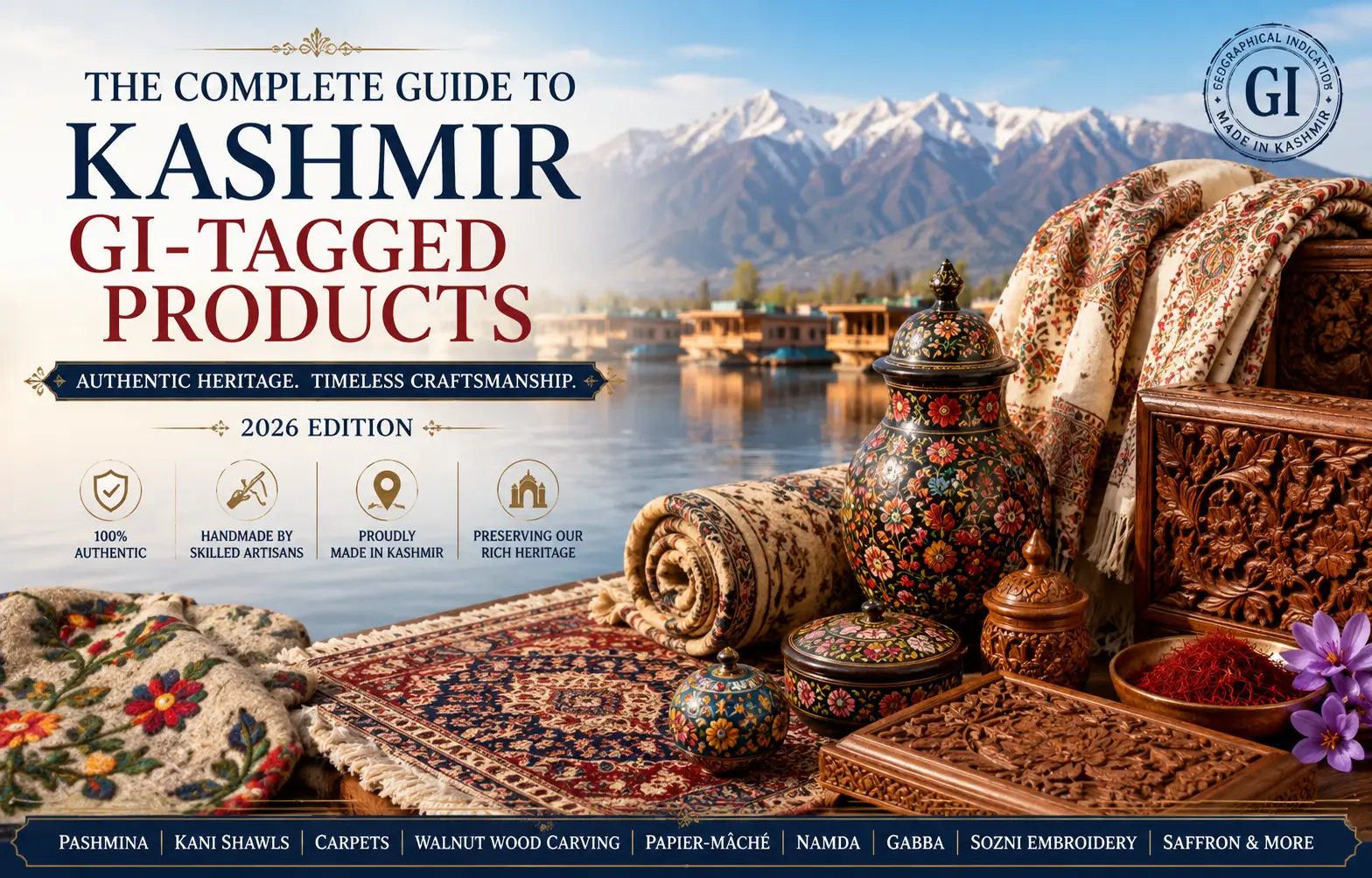
10 Iconic GI-Tagged Treasures of Kashmir That Define Its Heritage
More than handcrafted products, these GI-tagged treasures are living symbols of Kashmir's culture, artistry, and centuries-old traditions. Discover what makes each one unique and why authentic craftsmanship deserves to be preserved.
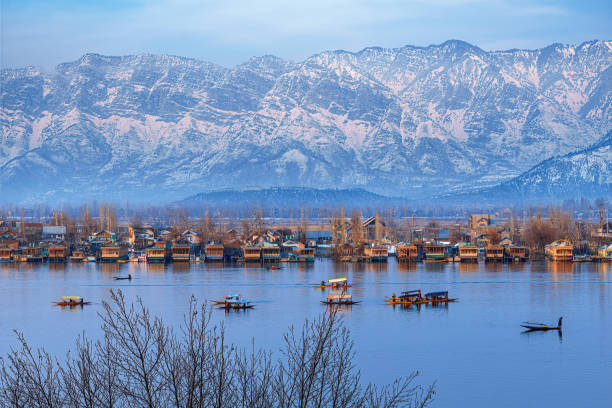
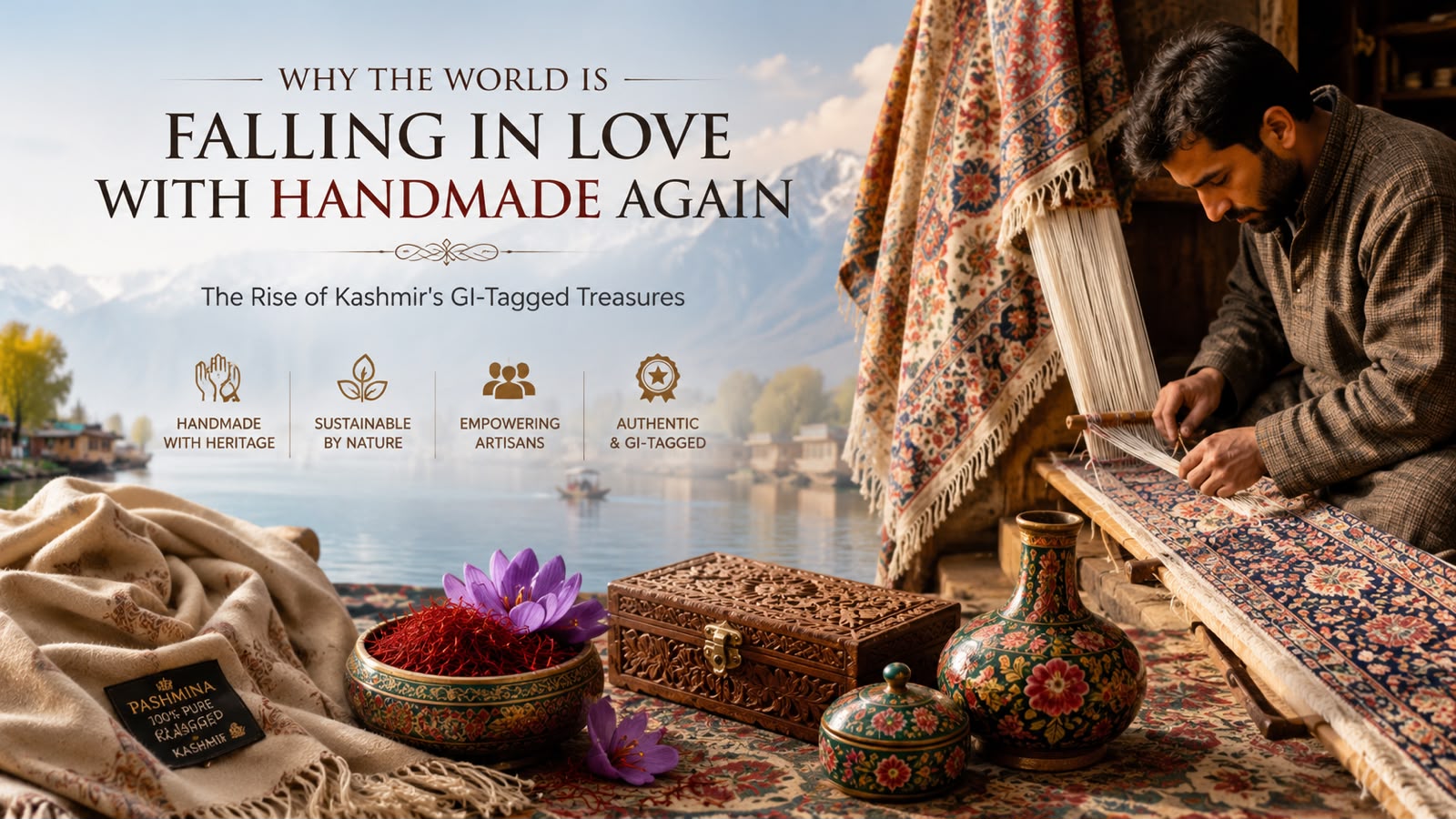
Kashmir is often admired for its snow-capped mountains and serene lakes, but its true legacy lives in the hands of its artisans and cultivators. Across the Valley, generations have preserved traditional crafts and agricultural practices that are found nowhere else in the world. These creations are not simply products—they are stories woven into fabric, carved into wood, painted by hand, and nurtured from the land.
A Geographical Indication (GI) tag recognizes this uniqueness by protecting products that owe their identity to a particular region. It assures buyers that what they are purchasing is genuinely linked to Kashmir's heritage, traditional methods, and skilled craftsmanship.
Here are ten remarkable GI-tagged products that continue to represent the soul of Kashmir.
- Kashmir Pashmina
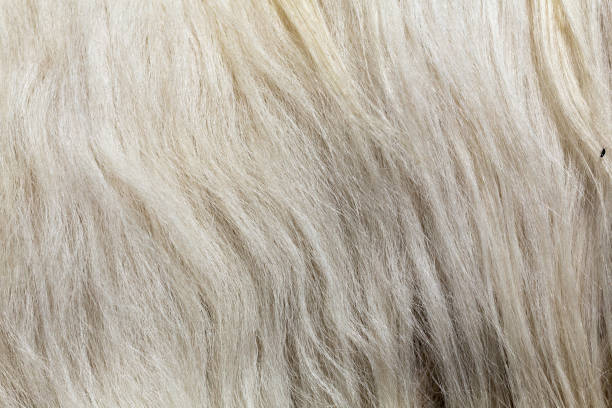
Soft enough to pass through a ring yet warm enough to withstand Himalayan winters, Kashmir Pashmina is celebrated across the globe. Produced from the exceptionally fine wool of the Changthangi goat and crafted entirely by hand, every authentic Pashmina reflects months of careful spinning, weaving, and finishing.
- Kani Shawl
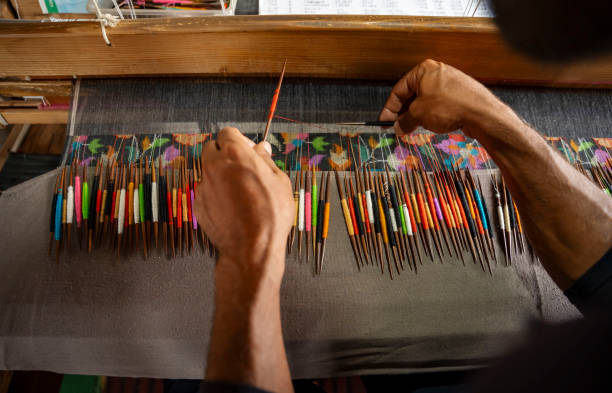
The Kani Shawl is one of Kashmir's oldest weaving traditions. Instead of embroidery, intricate floral and paisley designs are woven directly into the fabric using tiny wooden bobbins known as kanis. A single masterpiece may require several months—or even years—to complete, making every shawl a rare work of art.
- Kashmir Saffron
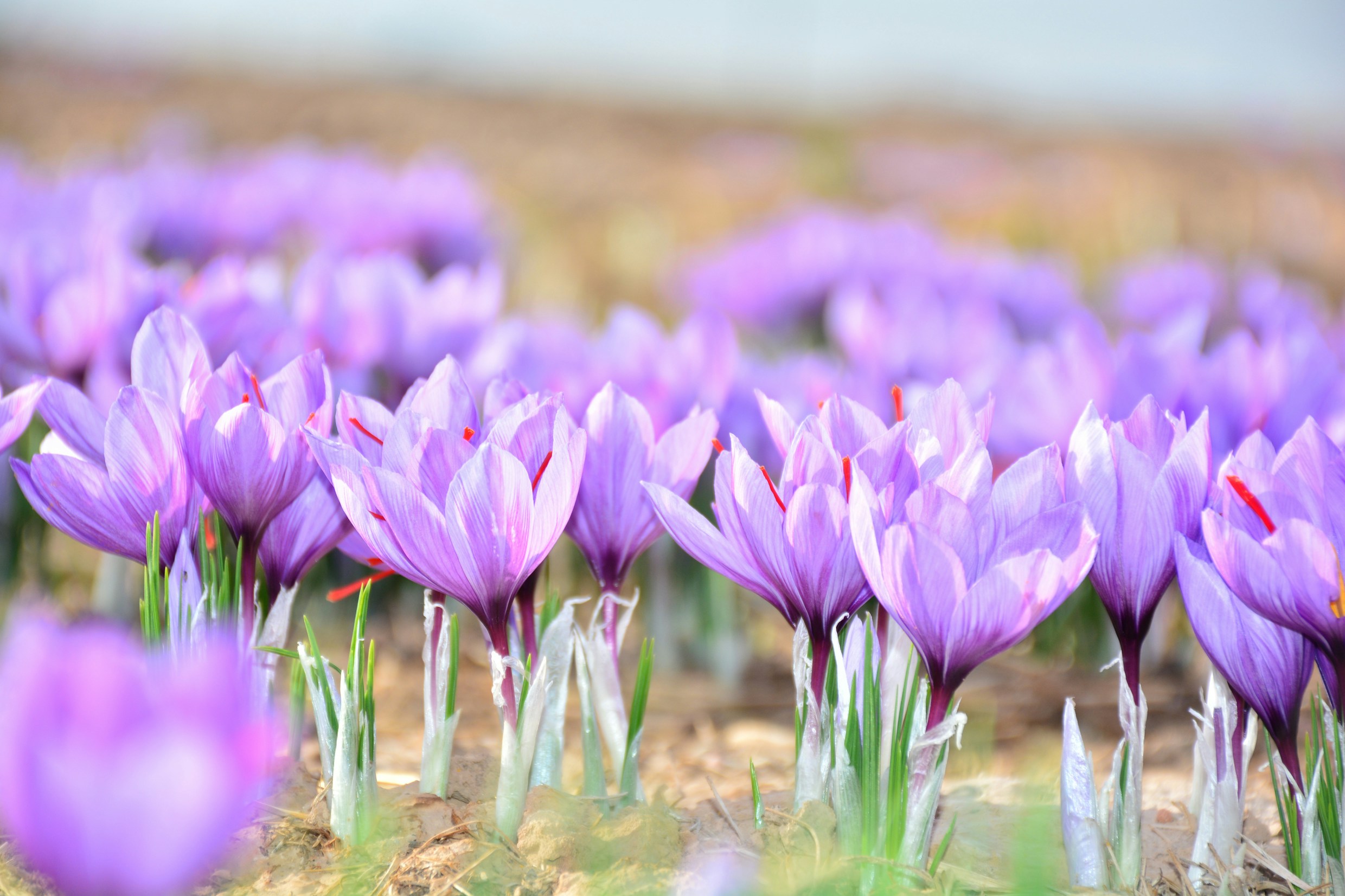
Grown in the fertile fields of Pampore, Kashmir Saffron is renowned for its vibrant crimson threads, intense aroma, and remarkable purity. Harvested entirely by hand during a brief autumn season, it is regarded as one of the finest saffron varieties in the world.
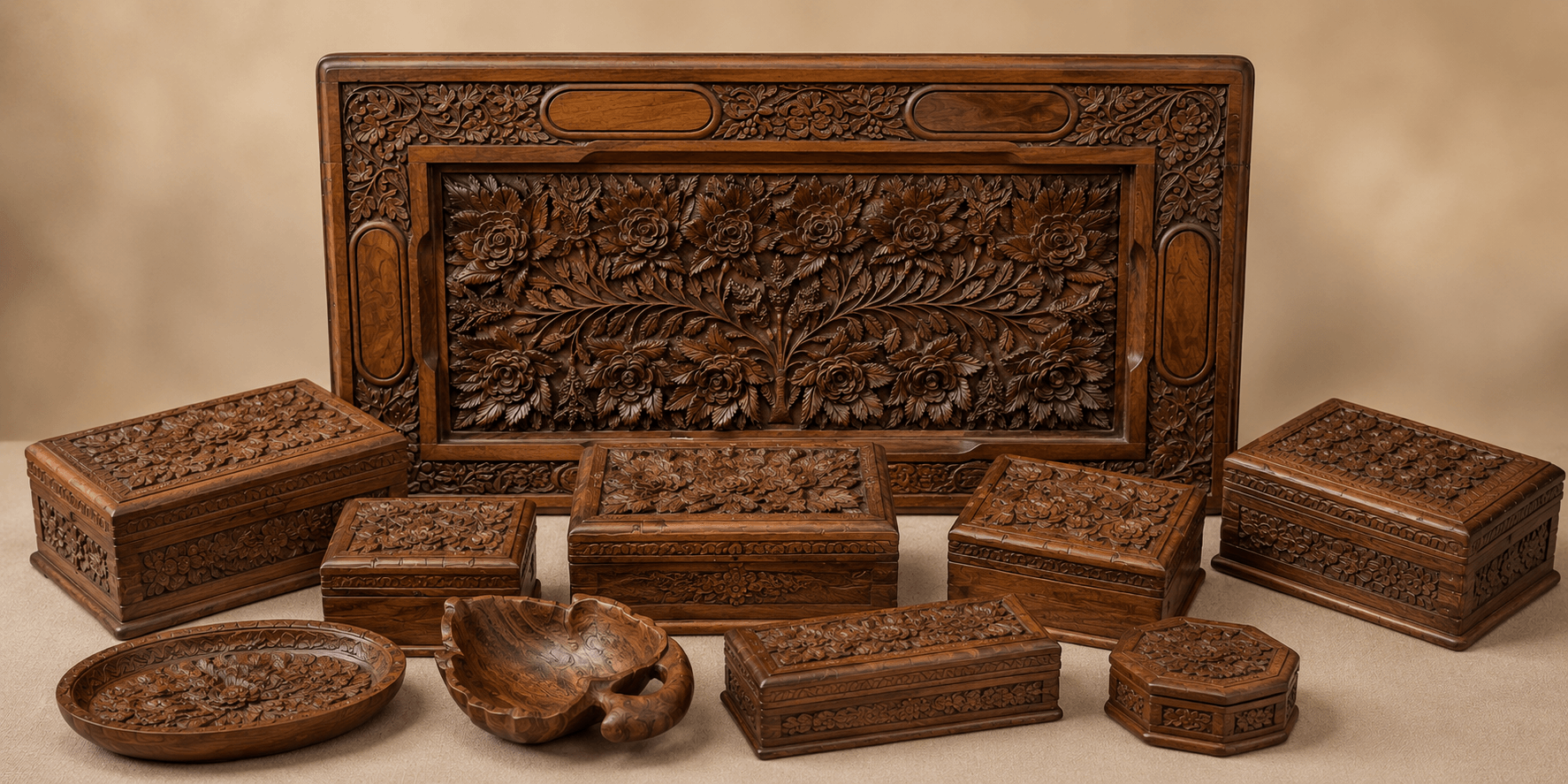
- Kashmir Walnut Wood Carving
The rich grain of Kashmir's walnut wood provides the perfect canvas for master artisans. Through generations of craftsmanship, they create intricately carved furniture, decorative boxes, wall panels, and heirloom pieces featuring Chinar leaves, vines, lotus flowers, and traditional Kashmiri motifs.
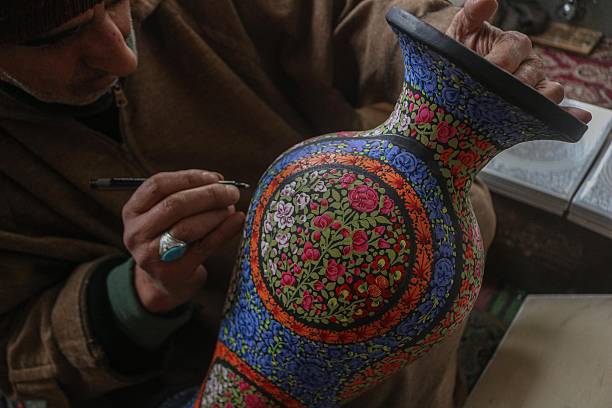
- Kashmir Papier-Mâché
Transforming simple paper pulp into extraordinary decorative art, Kashmiri Papier-Mâché showcases delicate hand-painting inspired by Persian aesthetics and the Valley's natural beauty. Every brushstroke reflects patience, precision, and centuries of artistic tradition.
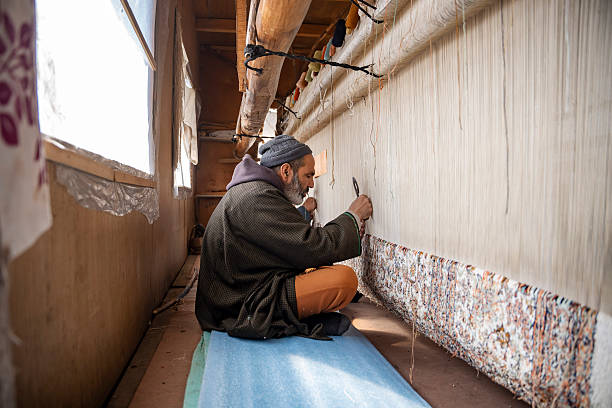
- Kashmir Hand-Knotted Carpet
Each Kashmiri carpet is patiently woven knot by knot, creating intricate patterns that often take months or years to complete. Combining fine wool or silk with timeless Persian-inspired designs, these carpets are valued as both luxury furnishings and collectible works of art.
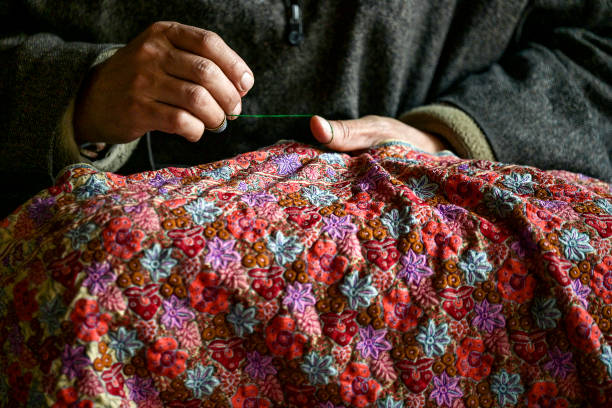
- Sozni Embroidery
Sozni embroidery is celebrated for its remarkable finesse. Skilled artisans use delicate needlework to create elegant floral and paisley motifs on Pashmina shawls and fine textiles. The nearly invisible stitches and reversible finish make Sozni one of the most refined embroidery traditions in the world.
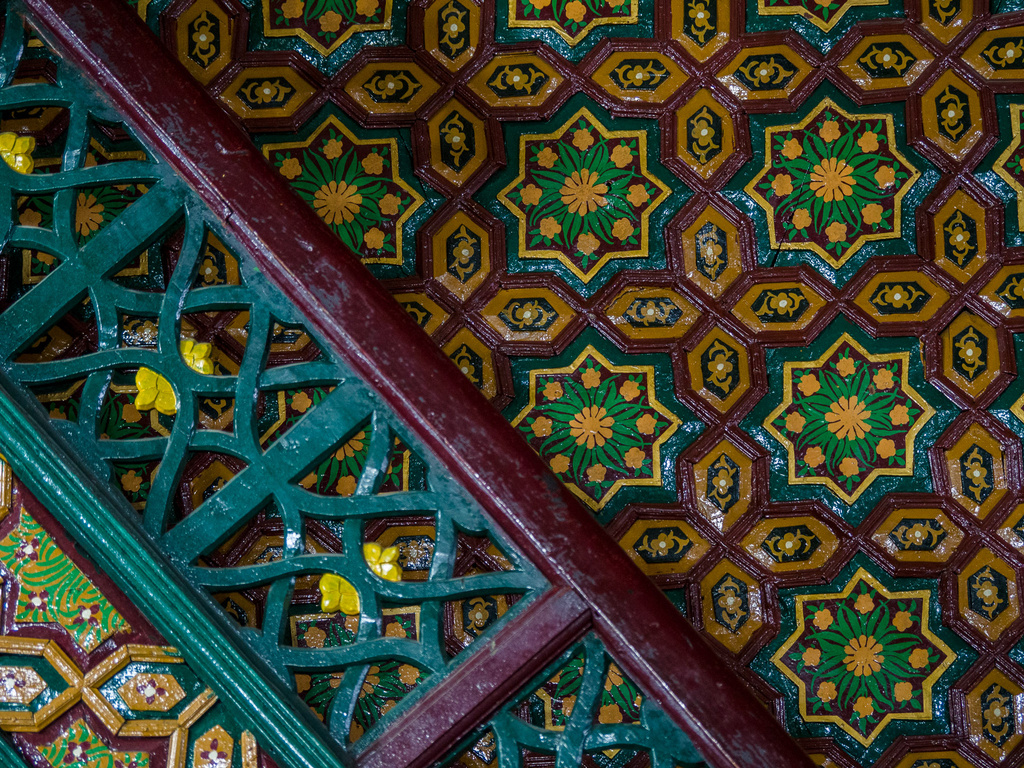
- Khatamband
Khatamband is a centuries-old architectural craft in which wooden ceiling panels are assembled using precisely cut geometric pieces without nails or metal fasteners. The result is an elegant ceiling that combines structural ingenuity with timeless Kashmiri artistry.
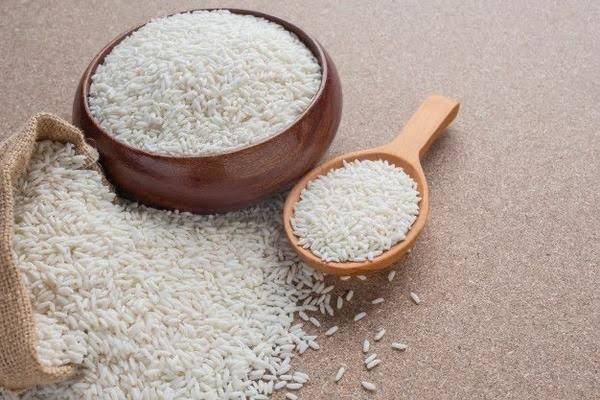
- Mushqbudji Rice
Known for its naturally rich aroma and distinctive taste, Mushqbudji is a heritage rice variety cultivated in selected parts of Kashmir. Revered in traditional Kashmiri cuisine, it remains a symbol of the Valley's agricultural heritage and biodiversity.
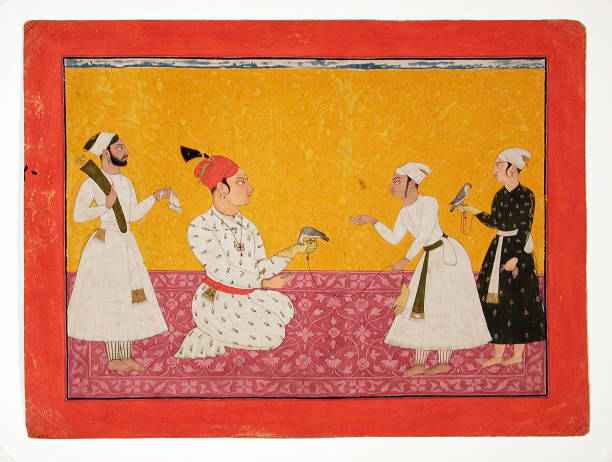
- Basohli Painting
Originating from the historic town of Basohli, this classical miniature painting tradition is distinguished by vivid colors, expressive facial features, and intricate detailing. Its themes often draw inspiration from mythology, literature, and royal life, preserving an important artistic legacy of the region.
Why GI-Tagged Products Matter
Behind every authentic Kashmiri GI product is a community of artisans and farmers who have inherited skills passed down through generations. Purchasing genuine GI-tagged products helps protect these traditions from imitation, supports sustainable livelihoods, and encourages the continuation of heritage crafts in an increasingly modern world.
For conscious buyers, a GI tag is more than a label—it is a promise of authenticity, quality, and respect for the people who keep Kashmir's cultural legacy alive.
Whether it is the unmatched softness of a Pashmina shawl, the elegance of a Kani weave, the fragrance of Kashmir Saffron, or the intricate beauty of Walnut Wood Carving, each GI-tagged treasure represents a timeless connection between nature, craftsmanship, and tradition. These are not just products from Kashmir—they are enduring expressions of its identity.
About the writer
Kashmir Artisan Journal
Reshi Rayees
Editorial Team | Storyteller & Visual Documentarian
Some stories are woven in Pashmina, carved into walnut wood, and painted on papier-mâché. Through words and photographs,Reshi Rayees explores the soul of Kashmir—its artisans, traditions, and the living heritage passed down through generations.
As part of the Kashmir GI Mart Editorial Team, he believes every handcrafted piece carries a story of identity, patience, and human connection. His work goes beyond documenting products; it preserves memories, celebrates craftsmanship, and gives a voice to the people who keep Kashmir’s timeless traditions alive.
Through stories and images, he invites readers to experience Kashmir not just as a destination, but as a heritage woven with culture, artistry, and soul.