Aller au contenu principal
Kashmir GI Mart
GI · GI-635 · 2020

Pampore Saffron

Hand-picked from a single autumn bloom on the Karewa plateaus of Pampore — the world's most concentrated saffron.

Pampore Saffron

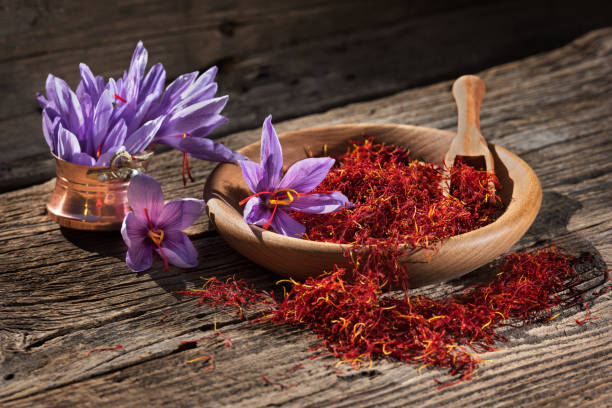
Pampore Saffron (also called Kashmir Saffron, Crocus sativus) grows only on the Karewa — fertile flat-topped plateaus south of Srinagar at about 1,600 m. The combination of dry, cold winters and short, warm autumns produces saffron with a crocin content above 6.8% — the deepest colour, the strongest aroma, the highest bioactivity of any saffron grown anywhere.

A 1-gram pouch of Mongra-grade Pampore saffron contains around 150 dried stigmas. Each came from a single hand-picked flower, picked before sunrise on one of about 30 days a year when the fields are in bloom.

The process

How it’s made

From field to vial

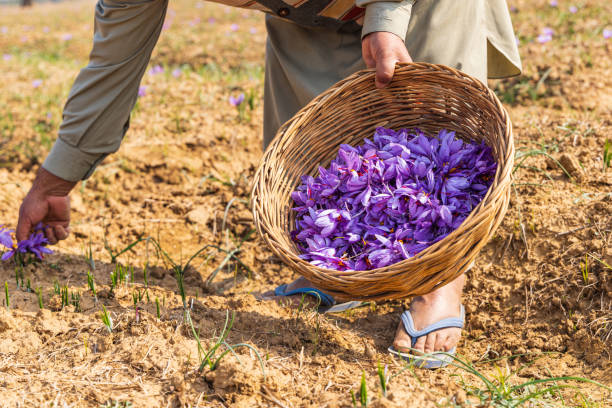
  1. Bloom. Pampore's saffron fields flower for roughly four weeks between mid-October and mid-November — and each flower lasts a single day. Pickers are out at dawn.
  2. Hand-picking. Flowers are plucked whole, by hand, into reed baskets. About 150,000 flowers are needed for 1 kg of dried saffron.
  3. Separation. The same day, the three blood-red stigmas are pulled out of each flower — by women, by hand, in dimly-lit rooms (sunlight bleaches the colour). The remaining yellow style is dropped: only the stigma is "Mongra" grade.
  4. Drying. Stigmas are sun-dried on cotton sheets for two to three days, then aged in airtight glass for a month so the aroma develops.
  5. Grading. Mongra (pure stigma), Lacha (stigma with style) or Zarda (the residual style). The GI mark applies only to Mongra and Lacha.

Gallery

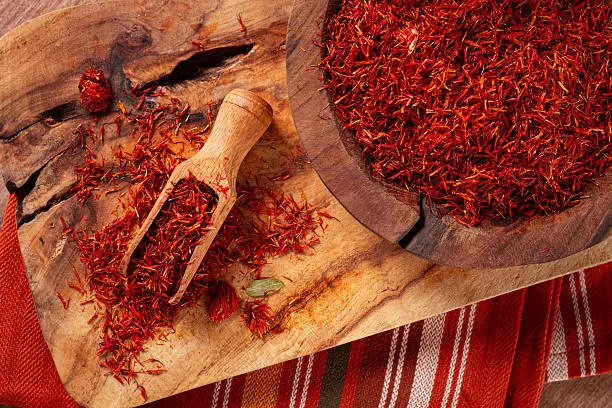
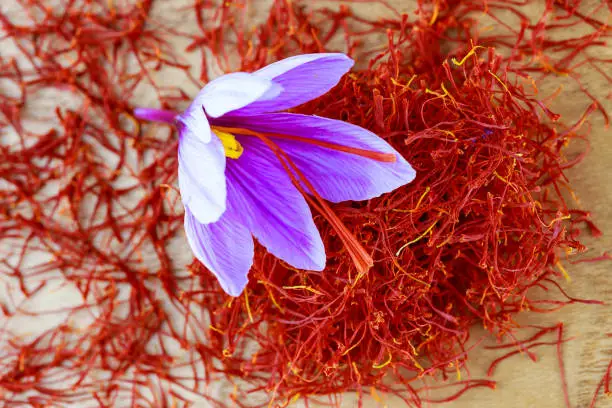
Mongra-grade Pampore saffron
Mongra grade — only the deep-red stigma, no style.

History & context

Where this craft comes from

Saffron-growing in the Pampore Karewas predates written record; Kashmiri lore credits its introduction to Sufi missionaries from Central Asia in the 11th century. For 900 years the corm has been saved and replanted on the same plateaus, never moved to greenhouses, never irrigated artificially.

The Kashmir Saffron GI tag, granted in 2020, was a direct response to adulteration: imported Iranian and Spanish saffron was being relabelled as Kashmiri in Indian markets. The tag legally pins the name to fields inside specific Pampore patwari circles, and every authentic vial now ships with the GI registration printed on its certificate.

Frequently asked

About Pampore Saffron

How can I tell real Pampore saffron from fake?

Drop a strand in cold water. Real saffron releases its colour SLOWLY (turning the water yellow over 10–15 minutes) and the strand itself stays red. Fake / dyed saffron bleeds instantly and the strand goes pale.

Why is Mongra grade more expensive than Lacha?

Mongra is pure stigma — the deep-red business end of the flower, where the crocin (colour), picrocrocin (taste) and safranal (aroma) all concentrate. Lacha includes part of the yellow style, which is filler. Mongra needs an extra hand-separation step.

How much saffron do I actually need to cook with?

A pinch — 8–10 strands — is enough for a 4-person pot of biryani or kheer. Soak them in 2 tablespoons of warm milk or water for 20 minutes first; this extracts the colour and aroma fully.

Does it go bad?

It loses aroma after about two years in airtight glass kept out of light. It doesn't spoil, but the magic fades — buy what you'll use in 18 months.

GI registered in 2020 (#GI-635).

Geographical Indications Registry, Government of India

Makers

Artisans working in this tradition

Buy a piece

Pieces under this GI tradition