Aller au contenu principal
Kashmir GI Mart
GI · GI-903 · 2025

Kashmir Willow Cricket Bat GI-Story

From the Valleys of Kashmir to Cricket Grounds Around the World

Kashmir Willow Cricket Bat GI-Story

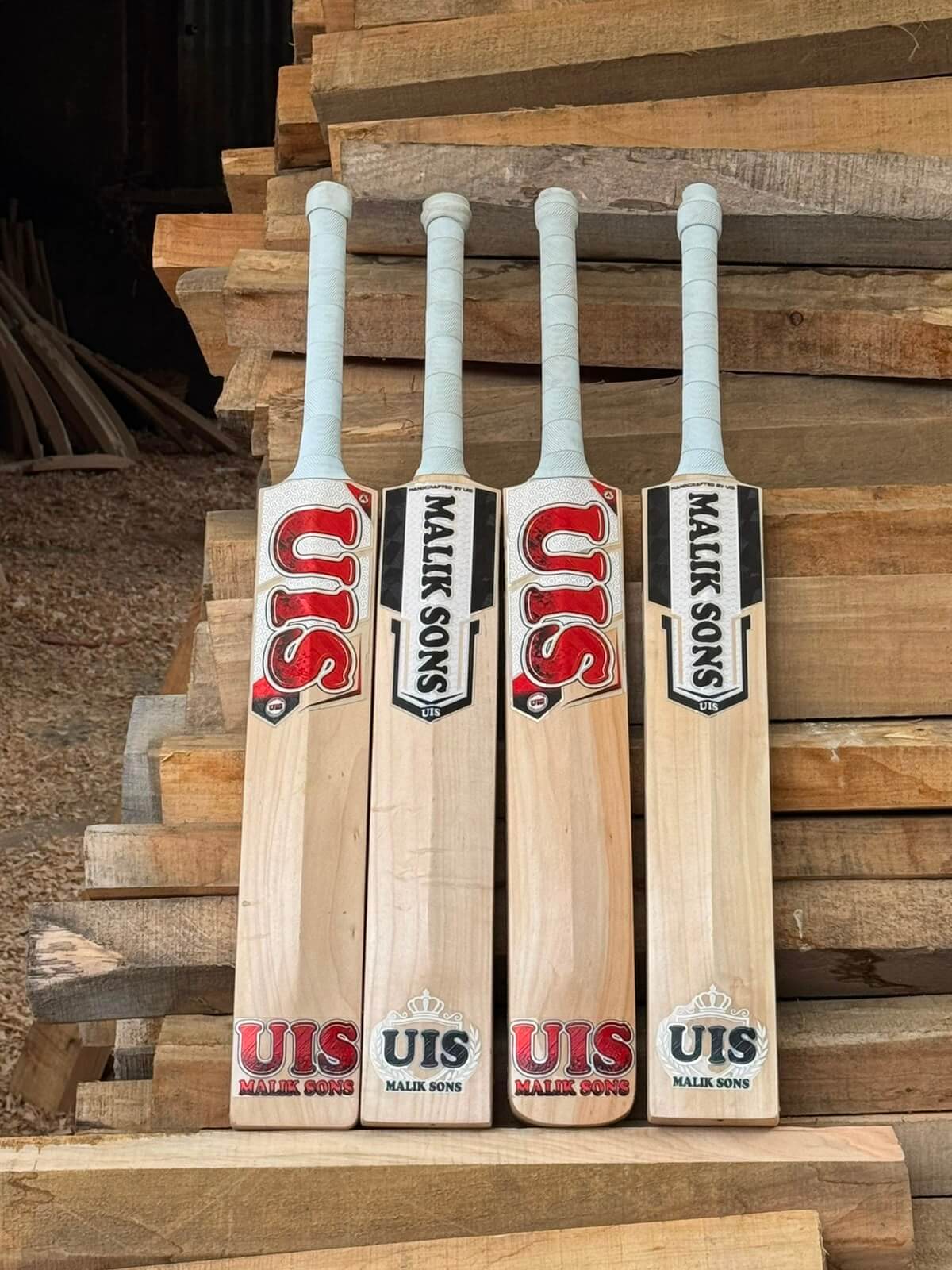
The Kashmir Willow Cricket Bat is one of the most recognizable sports products associated with the Kashmir Valley. Crafted from willow trees grown in the fertile river plains of Jammu & Kashmir, these bats are valued for their durability, natural grain, and powerful stroke play. The craft combines locally sourced wood with generations of woodworking knowledge, making Kashmir a significant center for cricket bat manufacturing in India.

Kashmir Willow Cricket Bats are produced primarily in districts such as Anantnag, Pulwama, and Srinagar, where willow cultivation and bat making have developed into a specialized rural industry. Their geographical identity is protected under the Geographical Indication (GI) system, which recognizes the unique qualities that arise from the region’s climate, soil, and traditional manufacturing practices.

The GI Identity of Kashmir Willow Cricket Bats

A Geographical Indication (GI) tag protects products whose quality, reputation, or characteristics are closely linked to a particular region. For Kashmir Willow Cricket Bats, the GI recognition highlights the importance of Kashmiri willow wood, local craftsmanship, and the traditional methods used in shaping, seasoning, and finishing each bat.

The GI status helps preserve the authenticity of genuine Kashmir willow bats and supports the artisans, woodworkers, and small manufacturers who continue this craft across the valley.
The process

How it’s made

The making of a Kashmir Willow Cricket Bat is a carefully controlled process that may take several months from tree selection to the finished bat.

  1. Willow Tree Selection:

Artisans select mature Kashmir willow trees that have developed strong, straight trunks suitable for bat production.

  1. Cutting and Cleaving:

The wood is cut into logs and then cleaved into bat-shaped pieces known as clefts, preserving the natural grain structure.

  1. Seasoning:

The clefts are naturally seasoned for an extended period to reduce moisture content and improve strength, stability, and performance.

  1. Shaping the Bat:

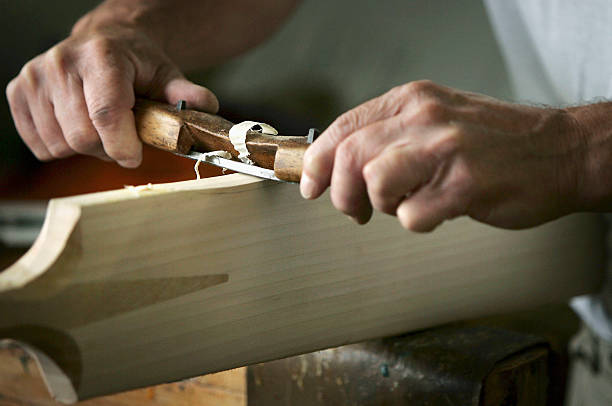
Skilled craftsmen shape the blade, spine, edges, and profile using traditional woodworking tools and precision machinery.

  1. Pressing:

The willow is pressed to compress the fibers, increasing durability and enhancing the bat’s playing characteristics.

  1. Handle Fitting:

A cane handle is fitted into the blade and secured with adhesives and binding materials to provide flexibility and shock absorption.

  1. Sanding and Finishing:

The bat is sanded smooth, polished, and finished with protective coatings. Stickers, branding, and grip are added before final inspection.

Gallery

Kashmir Willow Cricket Bat GI-Story — image 1
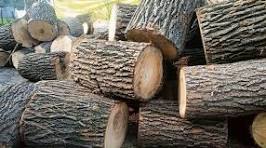
Kashmir Willow Tree
Kashmir Willow Cricket Bat GI-Story — image 2
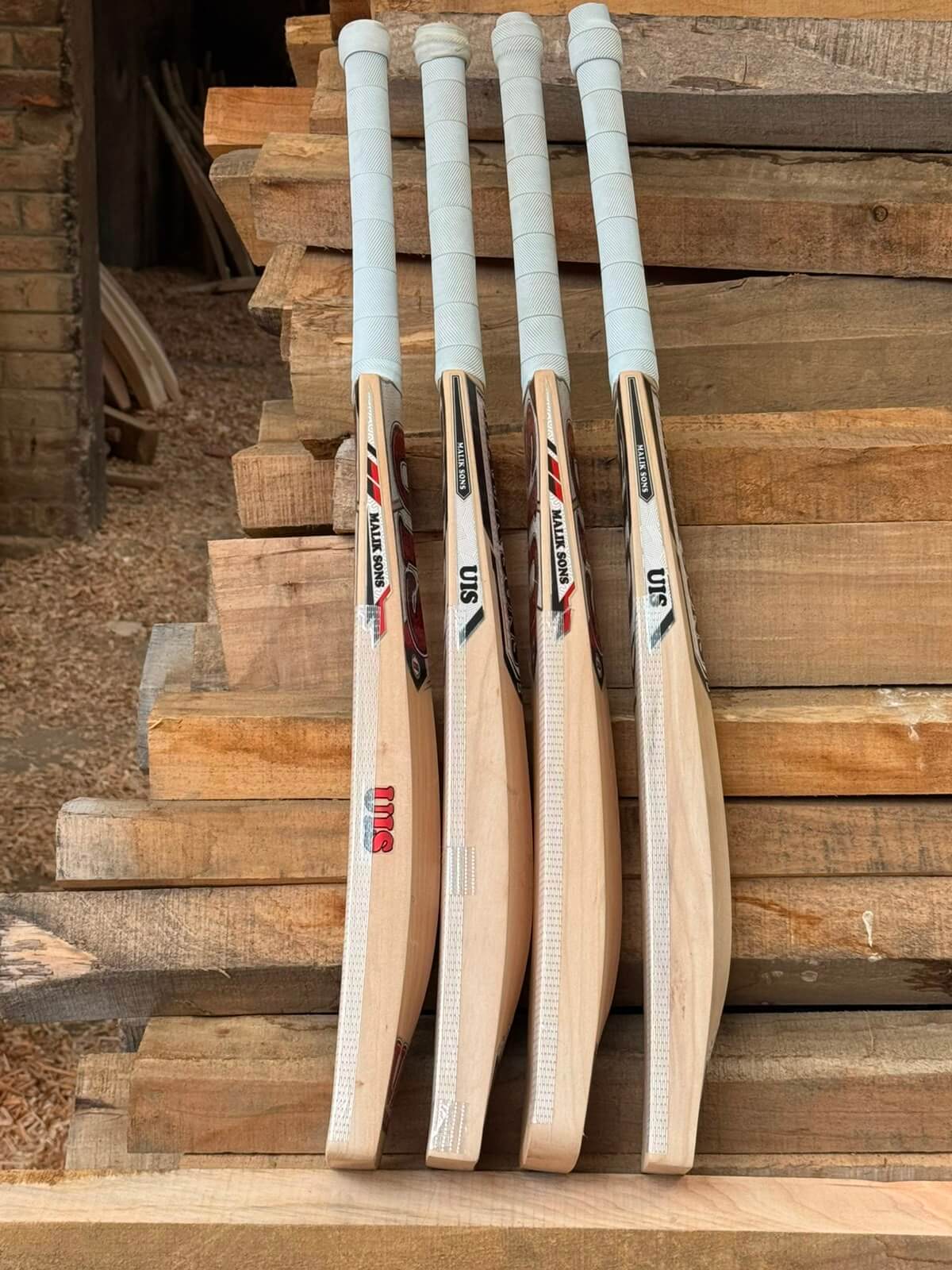
Player Edition Kashmir Willow Bat

History & context

Where this craft comes from

Willow cultivation in Kashmir has existed for centuries due to the region’s abundant water resources and favorable climate. During the twentieth century, local woodworkers adapted their skills to cricket bat production as the sport became increasingly popular across the Indian subcontinent.

Over time, Kashmir emerged as one of the country’s largest centers for cricket bat manufacturing. Thousands of families became involved in willow cultivation, wood processing, carving, pressing, handle making, polishing, and trading. The industry not only supports local livelihoods but also reflects the valley’s deep tradition of woodworking and craftsmanship.

For many artisans, bat making is a hereditary occupation passed from one generation to the next, preserving techniques that balance traditional knowledge with modern sporting requirements.

Frequently asked

About Kashmir Willow Cricket Bat GI-Story

1. What makes a Kashmir Willow Cricket Bat different from other cricket bats?

Kashmir willow bats are made from willow trees grown in Jammu & Kashmir and are known for their durability, strong grain structure, and excellent value for both amateur and professional players.

2. Why is the GI tag important for Kashmir Willow Cricket Bats?

The GI tag protects authentic bats made from genuine Kashmir willow and helps preserve the region’s traditional bat-making industry and craftsmanship.

3. Are Kashmir Willow Cricket Bats suitable for leather-ball cricket?

Yes. Well-made Kashmir willow bats are widely used for leather-ball cricket and are suitable for practice, club-level, and competitive play depending on the grade of willow used.

4. Which regions of Kashmir are famous for making cricket bats?

The districts of Anantnag, Pulwama, and parts of Srinagar are among the most important centers for Kashmir willow cultivation and cricket bat manufacturing.

5. How can I identify an authentic Kashmir Willow Cricket Bat?

An authentic Kashmir Willow Cricket Bat is made from willow grown in Jammu & Kashmir, features natural grain patterns, and is produced by manufacturers or artisans associated with the region’s traditional bat-making industry and GI-recognized production standards.

GI registered in 2025 (#GI-903).

Geographical Indications Registry, Chennai

Makers

Artisans working in this tradition

Buy a piece

Pieces under this GI tradition