The Complete Guide to Kashmir GI-Tagged Products: Heritage,Craftsmanship & Authenticity (2026 Edition)
Explore Kashmir’s authentic GI-tagged handicrafts, traditional crafts, artisan heritage, and practical tips for identifying genuine handmade products.
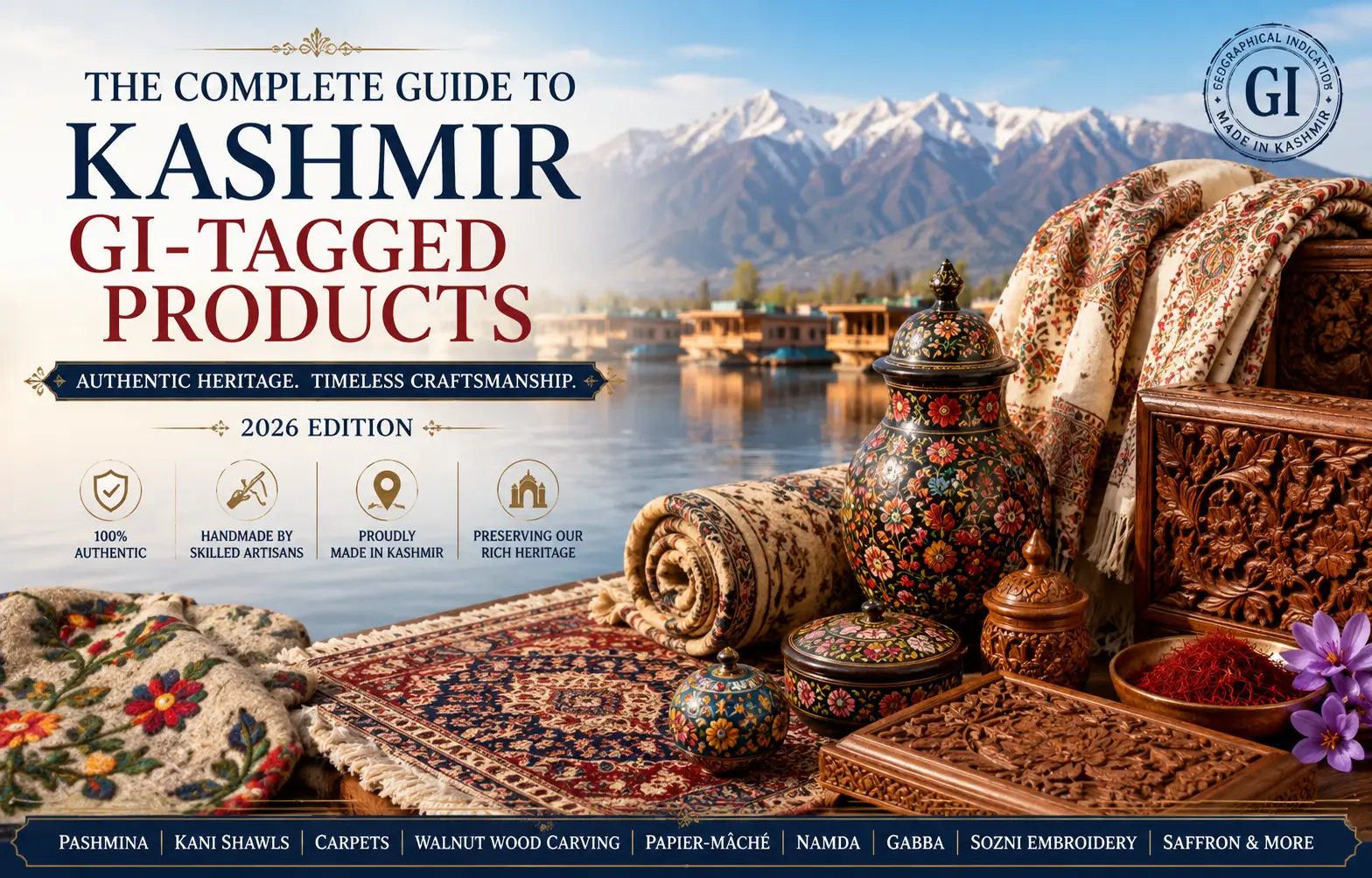
Discover the Timeless Legacy of Kashmir’s Finest Handmade Treasures
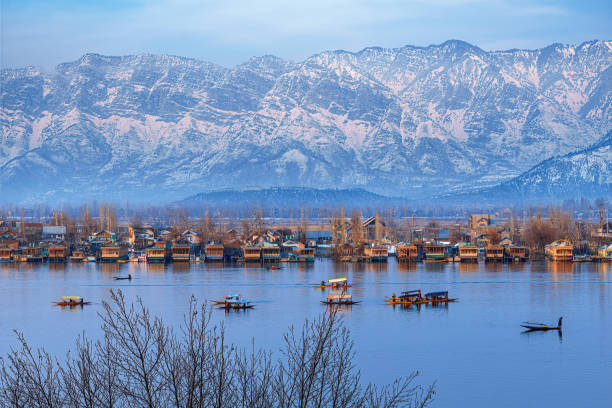
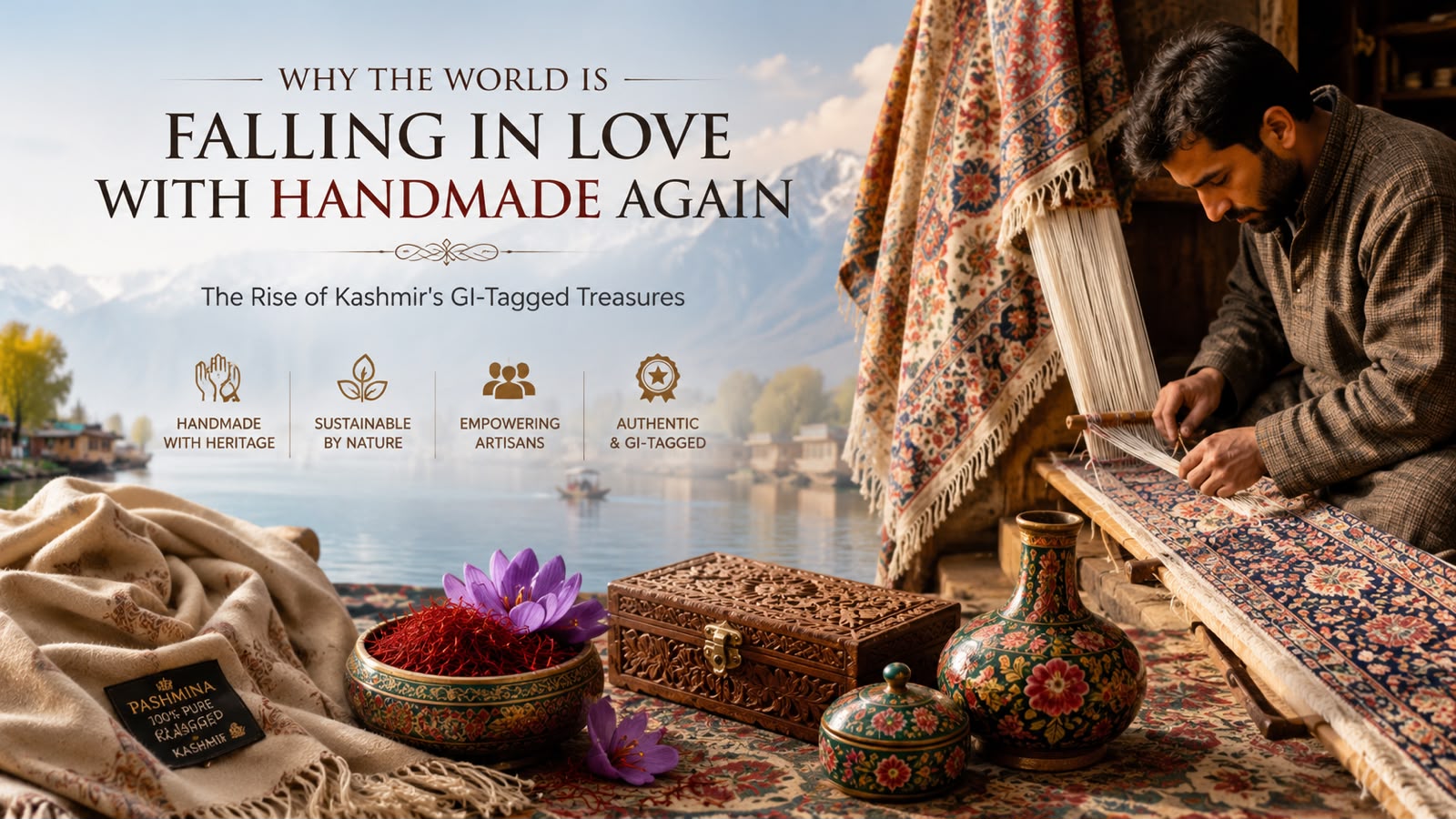
Nestled in the heart of the Himalayas, Kashmir is more than a destination of breathtaking landscapes—it’s a land where art, culture, and craftsmanship have flourished for centuries. Every handwoven shawl, intricately carved walnut wood masterpiece, delicately painted Papier-Mâché box, and luxurious hand-knotted carpet reflects generations of knowledge passed from master artisans to their apprentices.
These extraordinary creations are not simply products; they are living expressions of Kashmir’s identity, history, and cultural heritage. To protect these unique traditions from imitation and preserve the livelihoods of artisans, many of Kashmir’s most iconic crafts have received Geographical Indication (GI) status.
This guide explores the world of Kashmir’s GI-tagged products, their fascinating history, traditional craftsmanship, cultural importance, and how choosing authentic handmade creations helps preserve one of the world’s richest artistic traditions.
⸻
What is a Geographical Indication (GI) Tag?
A Geographical Indication (GI) is a form of intellectual property that identifies a product as originating from a particular geographical region where its quality, reputation, or distinctive characteristics are essentially linked to that place.
Unlike a trademark that belongs to a single company, a GI belongs collectively to producers within a specific region who follow established production standards.
For Kashmir, a GI tag serves as a seal of authenticity, ensuring that products bearing the name are genuinely crafted in their traditional region using time-honoured techniques.
⸻
Why GI Tags Matter
GI protection plays a vital role in preserving cultural heritage and supporting traditional industries.
It helps to:
- Protect artisans from counterfeit products.
- Preserve centuries-old craftsmanship.
- Maintain quality standards.
- Increase global recognition.
- Promote sustainable livelihoods.
- Encourage ethical and responsible shopping.
- Preserve Kashmir’s cultural identity.
- Build trust between artisans and customers.
Every authentic purchase directly contributes to the survival of traditional crafts and the communities behind them.
⸻
Kashmir – A Living Museum of Craftsmanship
For centuries, Kashmir has been admired as one of the world’s greatest centres of handmade luxury.
Influenced by Persian, Central Asian, Mughal, and indigenous traditions, Kashmiri artisans developed techniques that remain unmatched today.
Unlike mass-produced goods, every handmade piece carries the personal touch of its creator. Slight variations are not imperfections—they are signatures of authenticity.
The valley’s natural environment also contributes significantly to its crafts.
Its climate produces some of the world’s finest wool.
Its forests provide premium walnut wood.
Its fertile soil nurtures world-famous saffron.
Its rivers have inspired generations of artists and craftsmen.
Together, nature and human skill have created products admired across the globe.
⸻
Kashmir’s Major GI-Tagged Products
Kashmir Pashmina
Often called the “Soft Gold of Kashmir,” Pashmina represents the pinnacle of luxury textiles.
Made from the exceptionally fine undercoat of the Changthangi goat found in the high-altitude regions of Ladakh, genuine Pashmina undergoes a remarkable journey before reaching the customer.
The wool is carefully collected, hand-spun into delicate yarn, handwoven on traditional wooden looms, and often decorated with exquisite Sozni embroidery.
Each authentic Pashmina shawl may require weeks or even months of dedicated craftsmanship.
Its incredible softness, warmth, lightweight feel, and elegance have made it one of the world’s most celebrated luxury fabrics.
⸻
Kani Shawl
The Kani Shawl is among Kashmir’s most prestigious weaving traditions.
Instead of ordinary weaving methods, artisans use hundreds of small wooden bobbins known as Kanis to weave elaborate patterns directly into the fabric.
Each design is guided by a coded pattern known as a Talim.
A single masterpiece may require several months or even years to complete.
The extraordinary detail and patience involved make every Kani Shawl a true work of art.
⸻
Walnut Wood Carving
Kashmir is one of the few places in the world where premium walnut wood is transformed into magnificent works of art.
Only mature walnut trees are used, producing richly grained wood known for its durability and beauty.
Master craftsmen spend weeks carefully carving intricate floral patterns, vines, chinar leaves, lotus motifs, and geometric designs entirely by hand.
These carvings appear on furniture, jewellery boxes, trays, wall panels, decorative objects, and home décor pieces.
Every carved product reflects extraordinary patience and artistic excellence.
⸻
Kashmir Hand-Knotted Carpets
Kashmiri carpets are internationally recognised as some of the finest handmade carpets ever produced.
Unlike machine-made carpets, every knot is tied individually by skilled artisans.
Complex floral patterns, Persian-inspired motifs, and exceptional craftsmanship make these carpets prized possessions in homes across the world.
Depending on size and complexity, a single carpet may require several months or even years to complete.
Many become treasured family heirlooms passed down through generations.
⸻
Papier-Mâché
The art of Kashmiri Papier-Mâché combines creativity with extraordinary precision.
Recycled paper is transformed into decorative objects through a lengthy handmade process involving moulding, drying, smoothing, painting, and varnishing.
Artisans then decorate each piece with intricate floral motifs, birds, chinar leaves, and traditional Kashmiri designs using fine brushes.
No two handmade pieces are exactly alike.
⸻
Sozni Embroidery
Sozni is one of Kashmir’s most refined embroidery traditions.
Using extremely fine silk or cotton threads, artisans create elegant floral and paisley motifs with tiny, nearly invisible stitches.
This embroidery often enhances luxurious Pashmina shawls, transforming them into heirloom-quality works of wearable art.
⸻
Namda
Namda rugs are created through an ancient felting process rather than traditional weaving.
Compressed wool forms a thick, durable base that is beautifully decorated with colourful chain-stitch embroidery.
These rugs provide warmth, comfort, and timeless beauty while showcasing Kashmir’s textile heritage.
⸻
Gabba
Gabba is a traditional embroidered rug created from recycled wool blankets.
Artisans transform simple materials into colourful home décor featuring bold floral designs and vibrant embroidery.
Gabba reflects Kashmir’s long tradition of sustainable craftsmanship.
⸻
Chain Stitch Rugs
Chain Stitch rugs feature elaborate embroidery worked onto fabric using continuous chain stitches.
Known for colourful floral patterns and detailed craftsmanship, they add warmth and elegance to homes around the world.
⸻
Crewel Embroidery
Crewel embroidery is characterised by colourful wool thread stitched onto cotton fabric.
The intricate floral vines, leaves, and traditional Kashmiri patterns make Crewel products highly sought after for luxury interiors.
⸻
Kashmir Saffron
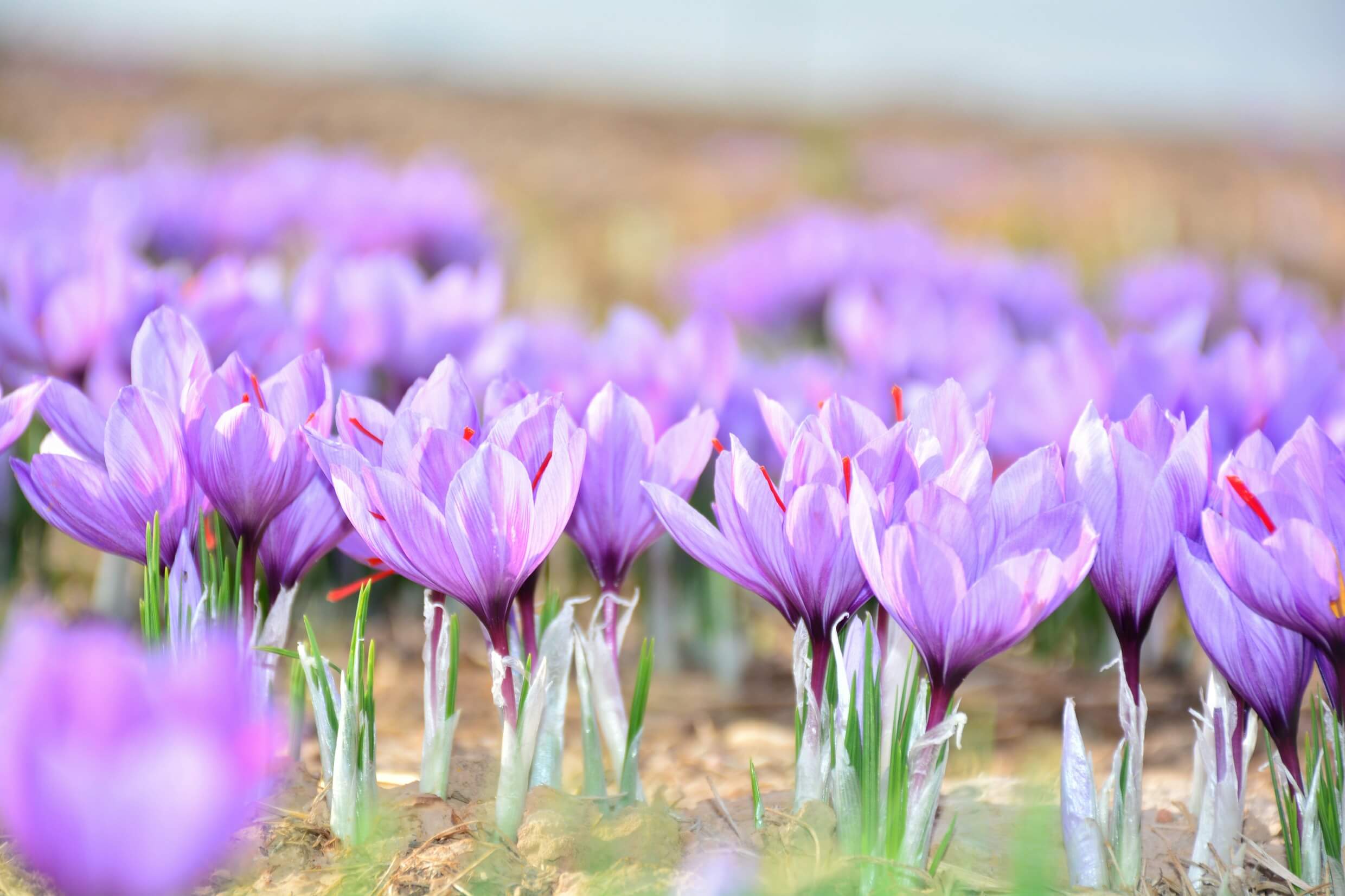
Cultivated mainly in the Pampore region, Kashmir Saffron is celebrated for its deep crimson colour, rich aroma, long stigmas, and exceptional flavour.
Harvested entirely by hand during a short flowering season, every thread represents meticulous labour and generations of farming knowledge.
Its unique quality has earned worldwide recognition.
⸻
The Hands Behind Every Masterpiece
Every GI-tagged product begins with an artisan.
Many Kashmiri craftsmen spend decades mastering techniques learned from parents and grandparents.
Their workshops are not factories—they are spaces where heritage lives.
Each handmade creation carries countless hours of dedication, patience, creativity, and skill.
When customers purchase authentic Kashmiri handicrafts, they help sustain families, preserve traditional knowledge, and encourage younger generations to continue these remarkable crafts.
⸻
Why Authenticity Matters
The growing popularity of Kashmiri handicrafts has unfortunately led to imitation products being sold around the world.
Machine-made copies often resemble traditional crafts but lack their quality, authenticity, and cultural value.
Choosing genuine GI-tagged products helps preserve traditional craftsmanship while ensuring artisans receive fair recognition for their work.
Authentic products also offer superior materials, exceptional durability, and timeless beauty.
⸻
How to Identify Genuine Kashmir GI Products
When buying Kashmiri handicrafts:
• Purchase from trusted and transparent sellers.
• Read detailed product descriptions.
• Learn about the artisan and production process.
• Examine craftsmanship carefully.
• Avoid prices that seem unrealistically low.
• Request authenticity information whenever available.
• Appreciate that slight variations are signs of handmade craftsmanship—not defects.
⸻
Why Choose Handmade Instead of Machine-Made?
Handmade products offer individuality, superior craftsmanship, cultural significance, and long-lasting quality.
Each creation is unique.
Each purchase supports skilled artisans rather than mass production.
Each handmade piece preserves traditions that have survived for centuries.
⸻
Supporting Kashmir’s Artisan Communities
Buying authentic GI-tagged products creates a positive impact far beyond the product itself.
It supports artisan families.
It helps preserve endangered crafts.
It promotes sustainable livelihoods.
It strengthens local economies.
It encourages younger generations to continue traditional skills.
It protects Kashmir’s cultural heritage for future generations.
Why Choose KashmirGiMart?
At KashmirGiMart, we believe every handmade creation tells a story.
Our mission is to connect customers with authentic Kashmiri artisans while celebrating the extraordinary craftsmanship that defines the Valley.
We are committed to promoting genuine handmade products, preserving traditional skills, supporting artisan communities, and sharing Kashmir’s timeless heritage with the world.
Every purchase through KashmirGiMart represents more than shopping—it is an investment in culture, craftsmanship, and the future of Kashmir’s artisans
About the writer
Kashmir Artisan Journal
Reshi Rayees
Editorial Team | Storyteller & Visual Documentarian
Some stories are woven in Pashmina, carved into walnut wood, and painted on papier-mâché. Through words and photographs,Reshi Rayees explores the soul of Kashmir—its artisans, traditions, and the living heritage passed down through generations.
As part of the Kashmir GI Mart Editorial Team, he believes every handcrafted piece carries a story of identity, patience, and human connection. His work goes beyond documenting products; it preserves memories, celebrates craftsmanship, and gives a voice to the people who keep Kashmir’s timeless traditions alive.
Through stories and images, he invites readers to experience Kashmir not just as a destination, but as a heritage woven with culture, artistry, and soul.